

If you’re running a fence company, you’re probably not thinking about blogging. You’re thinking about tools, trucks, and getting the next job done right. That’s fair. But if you want more local customers to find you online, blogging can help. A lot.
Let’s break it down in simple words. No fluff, no fancy tech talk.
What Does “Local Ranking” Even Mean?
When someone types “fence company near me” into Google, what shows up first? That list is called the local search results. If you’re not near the top, you’re missing out on free traffic, calls, and jobs.
This list is shaped by something called local SEO. It means how well your business shows up when people nearby search for fence work. Google uses signals from your website, business listing, reviews, and more.
One of those signals is fresh, useful content. That’s where blogging comes in.
Why Should Fence Companies Even Bother With a Blog?
Here’s the thing: people have questions. They Google stuff like:

- How much does a wood fence cost?
- What’s better: vinyl or chain link?
- Can I put up a fence without a permit?
If your website has clear, helpful answers to those kinds of questions, Google notices. And more people land on your site.
More visitors means more chances for phone calls.
More calls mean more jobs.
It really can be that simple.
How Blogging Helps Your Website Rank Better
When you post blogs, you’re adding pages to your site. Each page is another shot at showing up in search.
Here’s how blogs help:
1. More Keywords
Every blog is a chance to use words people are typing into Google. These could be phrases like “DIY fence repair” or “best fence type for dogs.”
You don’t have to guess. You can use tools (like Google’s auto-suggest or free keyword finders) to see what people search for.
2. Keeps Your Site Fresh
Google likes active websites. If you haven’t updated your site in a year, it can feel stale. Blogging once or twice a month keeps things fresh.
3. Builds Trust
When someone lands on your site and sees helpful posts, they start to trust you. That trust can turn into a call or a form submission.
4. Answers Local Questions
If you write posts like “Best Fence Type for Snowy Winters in Michigan” or “Permits for Fences in Dallas,” you’re showing you know your area.
And that helps you rank locally.
What Should You Blog About?
Don’t overthink it. Write the way you talk. Keep it short and helpful. Here are ideas to get you going:
Common Fence Questions
- How long does a wood fence last?
- Do I need to stain my fence every year?
- What kind of fence is best for pools?
Local Info
- Fence permit rules in your city
- Best fences for your local weather
- Stories from recent jobs (without naming customers)
How To Tips
- How to clean a vinyl fence
- How to fix a broken gate hinge
- What to do if your neighbor complains about your fence
Product Comparisons
- Vinyl vs wood: which lasts longer?
- Chain link vs privacy: what’s best for pets?
You don’t need to be a writer. Just be honest and useful.
How Often Should You Blog?
Once a month is fine. Twice is better. Don’t burn yourself out. The key is consistency.
It’s like mowing the lawn. If you skip too many weeks, things get out of control. Same goes for your site.
If you can’t write, you can hire someone. That’s something we do at FenceWebs. But whether you write it yourself or get help, posting matters.
How Long Should Each Blog Be?
Aim for 500 to 800 words. Long enough to cover the topic, short enough to read in a few minutes. If you have more to say, go for it.
But don’t add fluff. Say what matters. Then stop.
Where Do You Put the Blog?
Your website should have a blog section. It might be called “Tips,” “Advice,” or just “Blog.”
Each post should have:
- A clear title
- Simple headings
- Short paragraphs
- Real info people care about
Also, make sure your blog is linked in your site menu. People (and Google) should be able to find it easily.
Don’t Forget to Mention Your City
Google needs clues that you serve your local area. In your blog, mention your city or region when it makes sense.
For example:
“If you’re in Louisville, a wood fence might be tricky in wet months.”
Not forced. Just natural.
Use Photos From Real Jobs
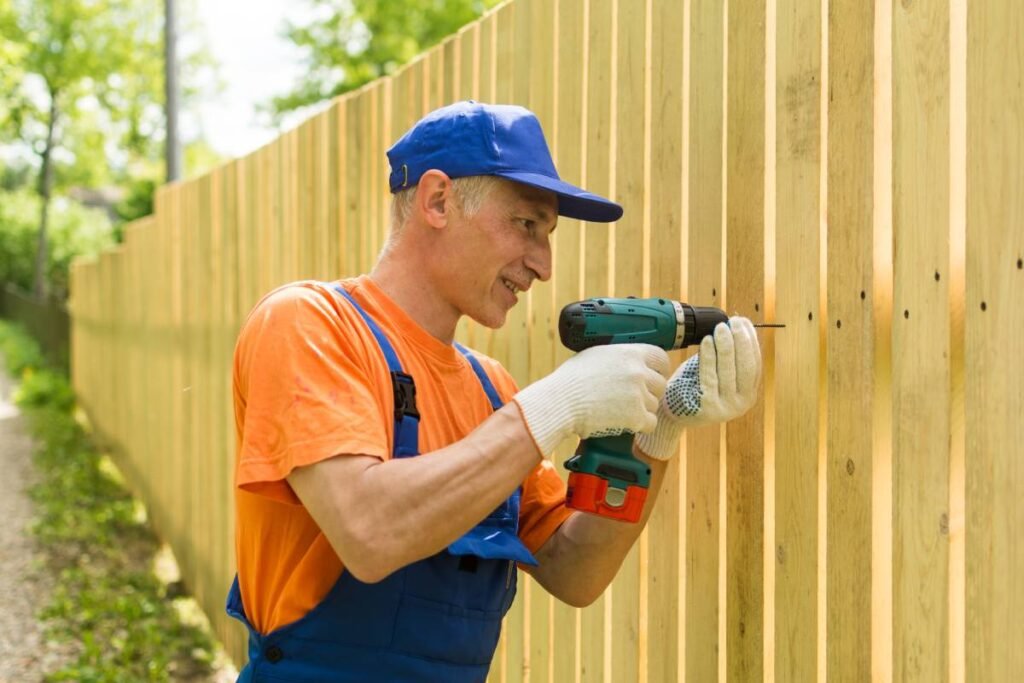
If you can, snap a few pics when you’re out working. Add these to your blog posts. It shows real work and helps break up the text.
Just make sure you’re not showing people’s faces or private info.
How Blogging Helps With Google Business Profile (GBP)
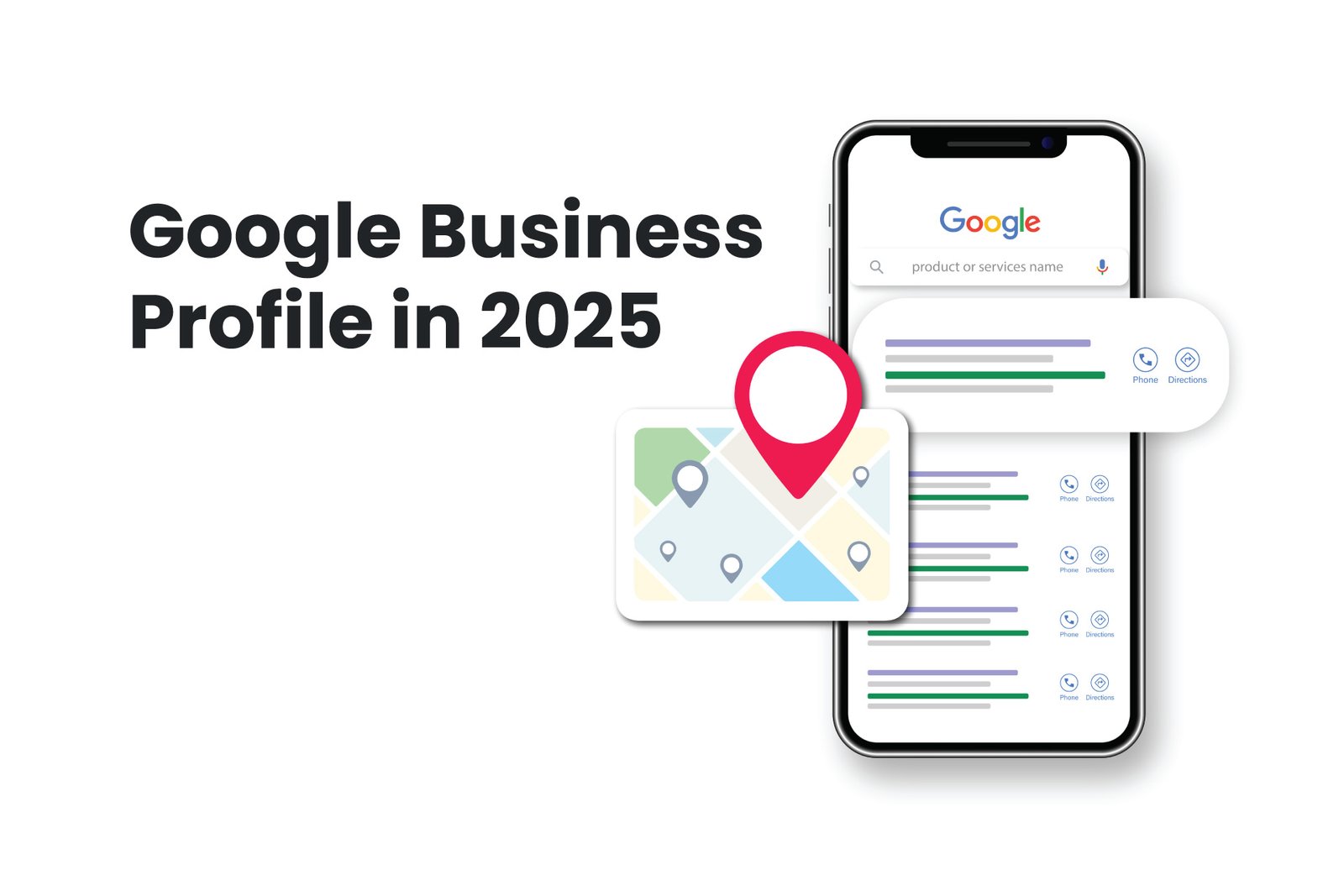
Your blog doesn’t just help your website. It can help your Google Business Profile too.
Here’s how:
- Link to your blogs from your GBP posts
- Share short tips or photos from the blog in your GBP updates
- Add blogs to your social media (like your Facebook page)
When Google sees all this activity, it gives you more visibility.
Example Blog Topics to Get You Started
Here are a few more blog topic ideas that can fit just about any fence company:
- “5 Things to Know Before Replacing Your Old Fence”
- “How to Choose the Right Fence for Your Backyard”
- “What to Expect During Fence Installation”
- “Why Fall Is a Good Time to Install a Fence”
- “How We Helped a Local Family Secure Their Yard”
Common Blogging Mistakes to Avoid
- Writing like a robot
- Copying text from other sites
- Using too much sales talk
- Ignoring your local area
- Posting once, then never again
Just be real. Speak like you would to a customer standing in their yard.
Final Thought
Blogging isn’t magic. It won’t get you 100 calls overnight. But over time, it builds up. You earn trust. You show up in more searches. You get more chances to win jobs.
And most fence companies aren’t doing it. That means you can stand out.
If you need help writing or posting blogs, that’s part of what we do at FenceWebs. But even if you do it on your own, it’s worth the time.
Start with one post. Hit publish. Then do another next month. That’s how it starts.